
Exploring the Timeless Power of the Colosseum in Rome
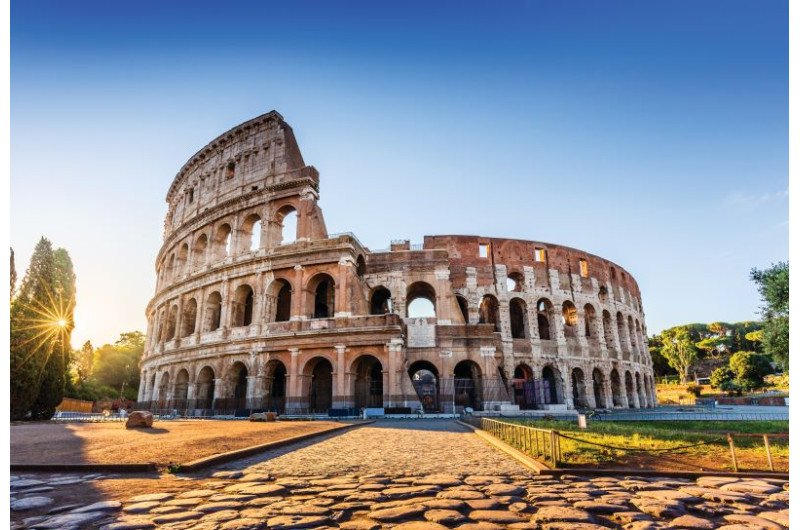
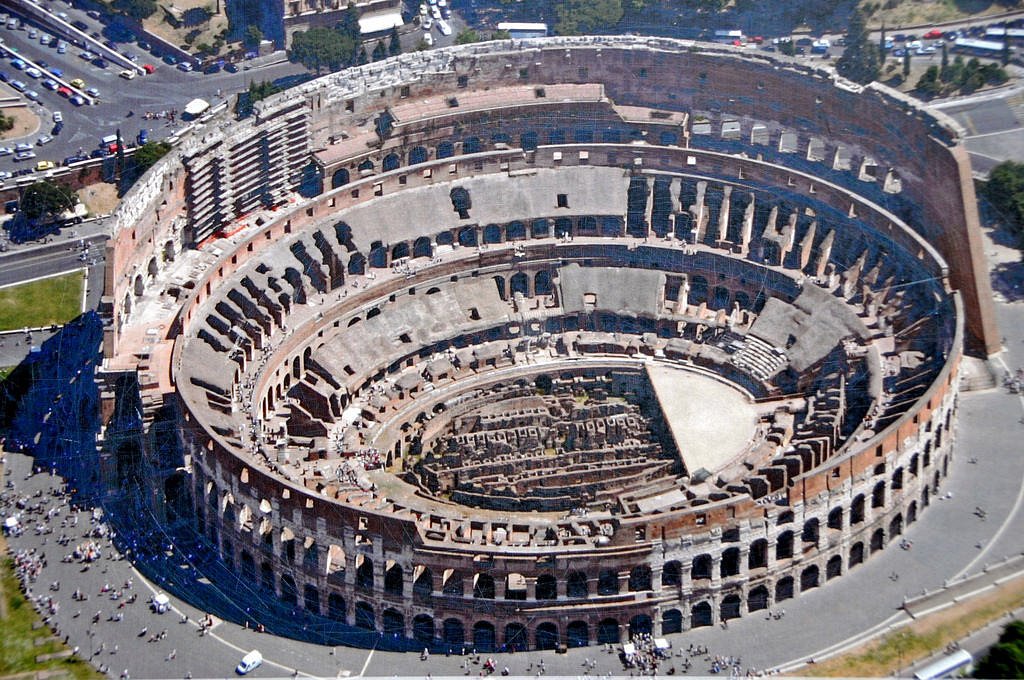
The Colosseum, or the Flavian Amphitheater, stands as one of Rome’s most enduring symbols. This iconic structure, with its arches and towering facade, not only showcases ancient Roman engineering but also holds centuries of history within its walls. Let’s dive into the fascinating world of the Colosseum, from its impressive construction to the legendary events that took place there.
A Marvel of Ancient Engineering
Construction of the Colosseum began under Emperor Vespasian around 70-72 AD and was completed by his son, Emperor Titus, in 80 AD. The massive structure could hold an estimated 50,000 to 80,000 spectators and served as the primary venue for gladiatorial contests, animal hunts, public spectacles, and even mock sea battles. Built primarily of travertine stone and concrete, the Colosseum’s elliptical design and multi-tiered seating allowed for incredible acoustics and sightlines—no matter where a spectator was seated, they had a clear view of the action.
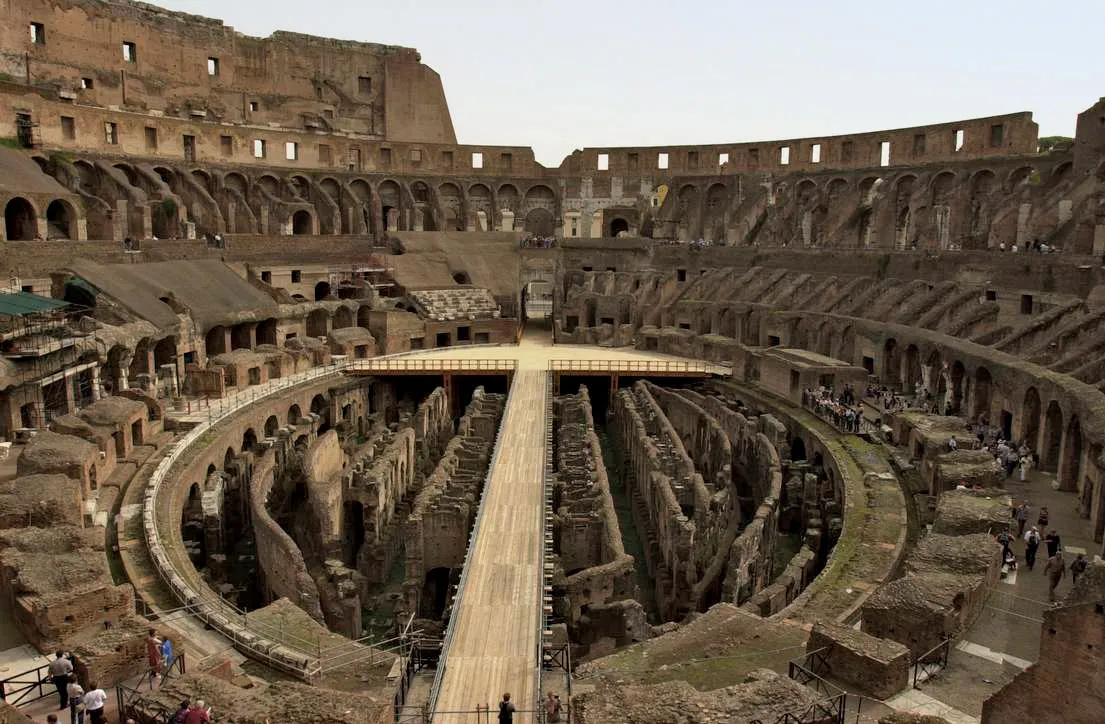
The Colosseum is renowned for its advanced architecture, including a system of underground tunnels, known as the hypogeum, where gladiators and animals were kept before contests. The arena floor could be rapidly flooded for naval battles, showcasing the Romans’ ingenuity in engineering and entertainment. Arches and columns in the Tuscan, Ionic, and Corinthian styles give the Colosseum its distinctive look, which has influenced architecture for centuries.
The Blood Sport of Gladiators
The Colosseum is most famous as a venue for gladiator battles, brutal contests where armed fighters, often slaves or prisoners, fought to the death for the entertainment of Roman citizens. Gladiators could earn their freedom if they survived long enough, but many met a tragic fate within the arena walls. These games, while violent, were an integral part of Roman culture, symbolizing bravery, strength, and sacrifice. Besides gladiators, the Colosseum also hosted wild animal hunts, executions, and dramatic reenactments of famous battles, turning the amphitheater into a showcase of Rome’s power and discipline.
While the games were officially abolished in 404 AD, the Colosseum remains a powerful reminder of Rome’s complex history of entertainment, spectacle, and imperial might.
Highlights of the Colosseum
- The Hypogeum: This underground network of tunnels and chambers was where gladiators and animals were kept before entering the arena. Visiting the hypogeum offers a glimpse into the operations and planning behind Rome’s spectacles and the lives of the gladiators who fought there.
- The Arena Floor: The reconstructed portion of the arena floor gives visitors a sense of what it was like to stand where gladiators once did, under the watchful eyes of thousands of cheering spectators.
- The Upper Tiers: Climbing to the upper levels offers sweeping views of Rome, including the Roman Forum and Palatine Hill. In ancient times, these seats were reserved for the lower classes, but today, they offer one of the best views in Rome.
- The Arch of Constantine: Located just outside the Colosseum, this triumphal arch was built to commemorate Emperor Constantine’s victory at the Battle of Milvian Bridge. It is one of the best-preserved arches in Rome and adds to the grandeur of the area surrounding the Colosseum.
Visiting the Colosseum: Tips and Insights
- Buy Tickets in Advance: The Colosseum is one of the most visited landmarks in the world, and lines can be long. Purchasing tickets in advance or booking a guided tour can save time and enhance your visit with historical insights.
- Best Time to Visit: Early morning or late afternoon are ideal times to visit, as the crowds are smaller and the lighting is perfect for photos. Seeing the Colosseum at sunset is also an unforgettable experience.
- Explore the Surroundings: Nearby, the Roman Forum and Palatine Hill offer a deeper look into ancient Rome. Many tickets include access to all three sites, making for a full day of exploration.
- Bring Comfortable Shoes: The Colosseum’s stone pathways are uneven in places, and there’s a lot of walking, especially if you plan to explore multiple levels.
- Audio Guide or Guided Tour: An audio guide or a live tour provides invaluable context and stories, helping visitors fully appreciate the history and engineering marvel of the Colosseum.
The Colosseum’s Legacy and Symbolism
Over the centuries, the Colosseum has transformed from a center of spectacle to a symbol of peace and resilience. In the Middle Ages, it was repurposed as a fortress and later as a quarry for other Roman buildings. Today, it stands as a UNESCO World Heritage Site and a symbol of Rome’s enduring spirit. The Catholic Church even uses the Colosseum to commemorate the Stations of the Cross each Good Friday, linking it to peace and reflection.
Final Reflections
Standing before the Colosseum is like stepping back in time. Its weathered stones and towering arches tell the story of an ancient empire, its triumphs, and its turbulent history. Visiting the Colosseum is more than a touristic experience; it’s an opportunity to connect with the past and to marvel at the ingenuity, resilience, and complexity of ancient Rome. Whether you’re interested in history, architecture, or simply seeking an unforgettable experience, the Colosseum is a must-see on any visit to Rome.