
The Majestic Pantheon: Rome’s Ancient Temple to the Gods
Title: The Majestic Pantheon: Rome’s Ancient Temple to the Gods
The Pantheon, one of Rome’s most remarkable landmarks, has stood for nearly 2,000 years as a testament to the ingenuity of ancient Roman engineering and architecture. Originally built as a temple to all the gods, this architectural wonder continues to inspire awe with its perfectly preserved structure, massive dome, and mysterious oculus. Here’s a guide to exploring the Pantheon and appreciating its historical significance.
A Brief History of the Pantheon
The original Pantheon was constructed by Marcus Agrippa during the reign of Augustus around 27 BC. However, the structure we see today was completely rebuilt by Emperor Hadrian around 118–125 AD. Although it was initially a pagan temple, the Pantheon was converted into a Christian church in the 7th century, which contributed significantly to its preservation through centuries of changing empires and beliefs. Today, it remains an active church known as the Basilica of St. Mary and the Martyrs.
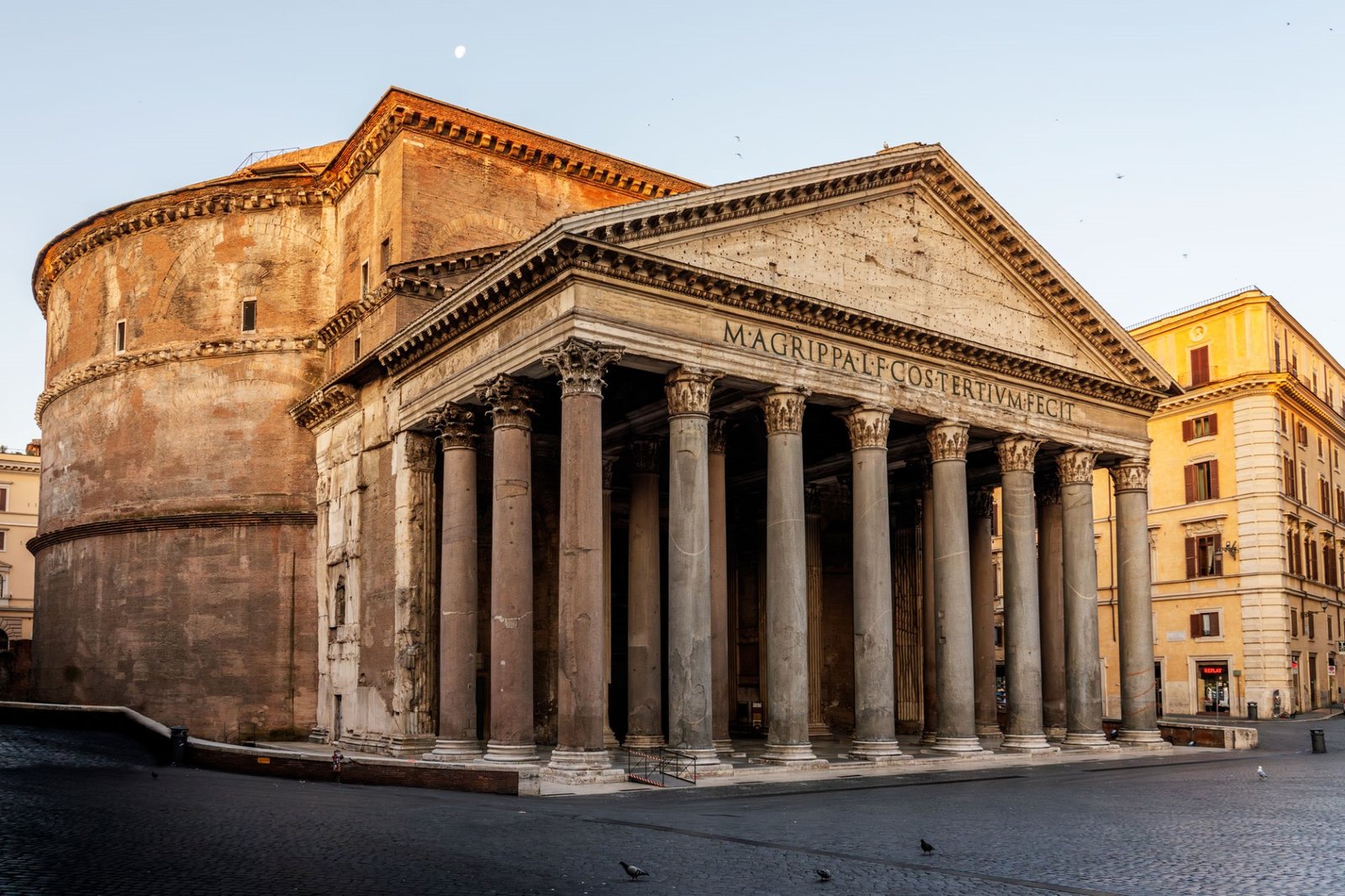
The inscription on the front of the building—“M.AGRIPPA.L.F.COS.TERTIVM.FECIT” or “Marcus Agrippa, son of Lucius, built this in his third consulship”—honors the original patron, though Hadrian was responsible for the current construction. This tribute to Agrippa is just one of the many mysteries surrounding this iconic building.
Architectural Brilliance: The Dome and Oculus
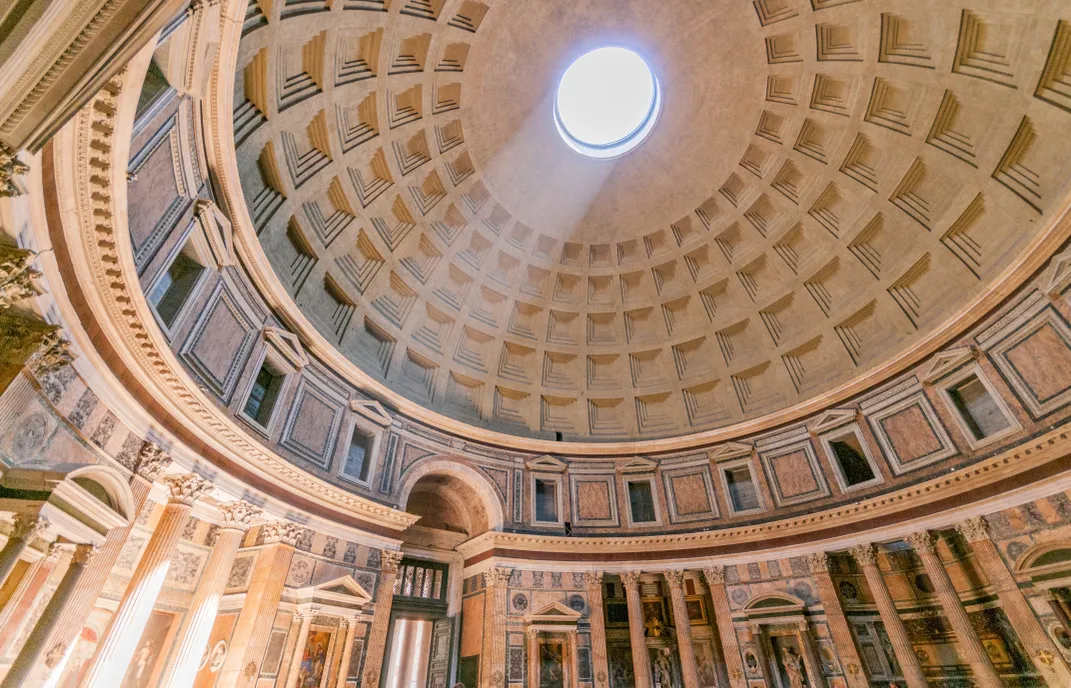
The Pantheon’s most striking feature is its enormous, perfectly symmetrical dome, which remains the largest unreinforced concrete dome in the world. Measuring 43.3 meters (142 feet) in diameter, the dome is as wide as it is tall, creating a sense of balance and harmony within the structure. The ancient Romans achieved this architectural feat by using lighter materials as they built upwards and by incorporating a series of relieving arches within the dome.
At the center of the dome is the famous oculus, a 9-meter-wide (30 feet) opening that serves as the building’s only natural light source. The oculus allows sunlight to enter and move across the interior, creating a stunning, ever-changing effect that illuminates the space and highlights different architectural details throughout the day. This unique feature also symbolizes the connection between earth and sky, fitting for a temple dedicated to the gods.
The Interior: An Unforgettable Space
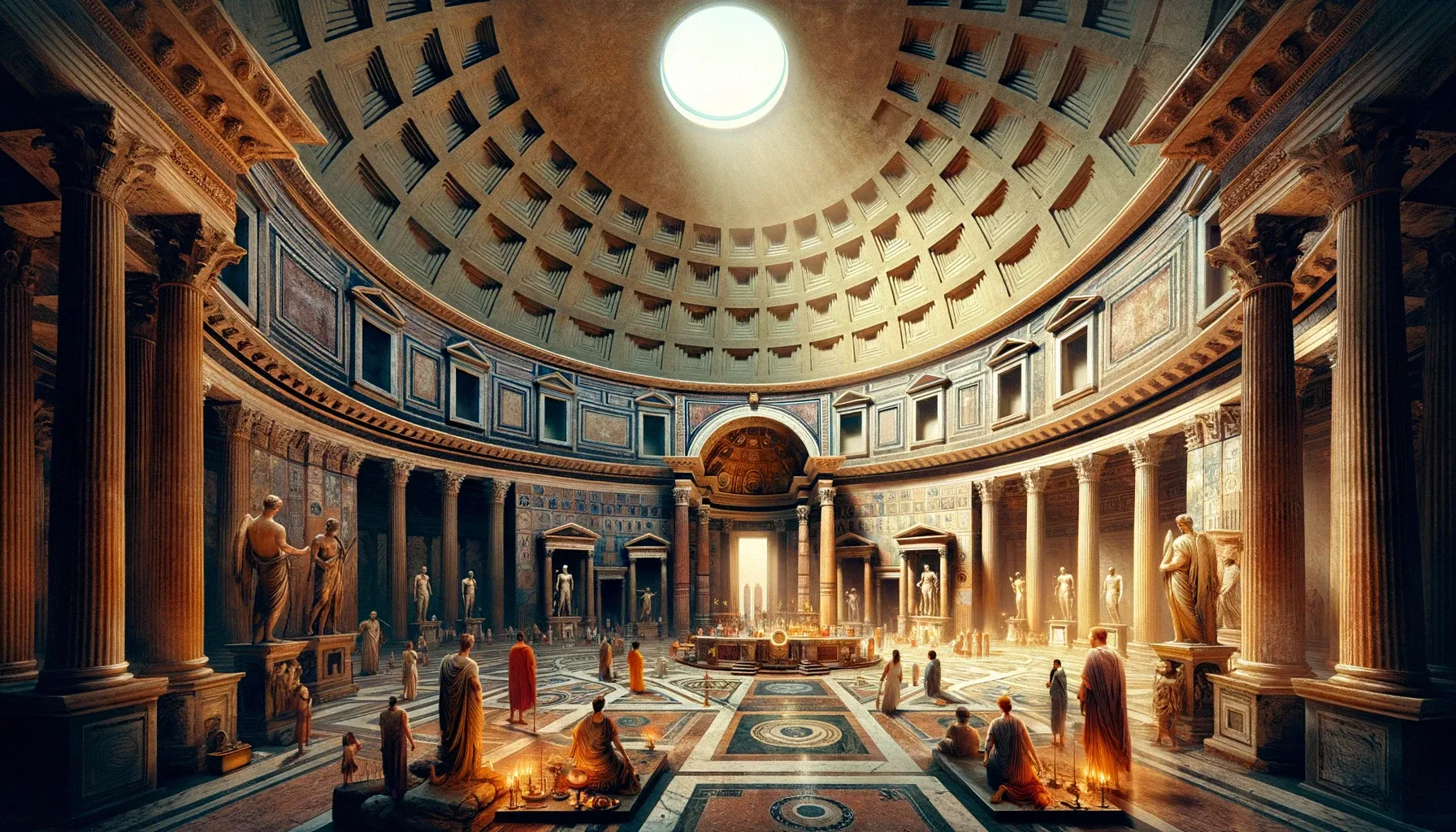
Walking into the Pantheon feels like stepping into another world. The interior is a vast, open rotunda, where light pours in from the oculus and highlights the marble floor, intricate columns, and altars. Bronze doors, nearly 7 meters (23 feet) high, lead into this sacred space, where visitors can experience the building’s symmetry and silence. The marble floors, original and perfectly preserved, display intricate designs and patterns that speak to the Romans’ artistry.
Within the Pantheon are various tombs, including that of the renowned Renaissance artist Raphael. Several Italian kings are also interred here, adding to the building’s historical significance. The blend of pagan and Christian influences, visible in the statues and altars, reflects Rome’s layered history and evolving religious landscape.
Highlights of the Pantheon
- The Oculus: The oculus at the dome’s center is not only an architectural marvel but also a spiritual symbol, representing the divine eye watching over the space. The light it casts shifts throughout the day, making each visit to the Pantheon a unique experience.
- Raphael’s Tomb: The famous artist and architect of the Renaissance, Raphael, chose the Pantheon as his final resting place. His tomb is located to the left of the entrance and bears an inscription in Latin that reads, “Here lies Raphael, who while he lived made Nature herself afraid.”
- The Dome: Studying the dome from the inside, you’ll notice its coffering, which not only reduces the weight of the structure but also adds to the aesthetic beauty. The simplicity and perfection of this design have inspired architects for centuries.
- The Bronze Doors: These massive doors, though not original, date back to ancient Rome and weigh nearly 20 tons each. Their size and craftsmanship exemplify the grandeur with which the Romans approached architecture.
- Christian Altars and Decorations: As an active church, the Pantheon houses altars, statues of saints, and religious paintings that add to the building’s layers of history and its continued use as a place of worship.
Tips for Visiting the Pantheon
- Visit Early or Late: The Pantheon is free to enter and one of Rome’s most popular sites, so visiting early in the morning or later in the evening can help avoid large crowds and offer a more peaceful experience.
- Respect the Sacred Atmosphere: As a functioning church, the Pantheon maintains a respectful atmosphere, especially during Mass. Be mindful of services and observe silence to respect those who come to pray.
- Guided Tours or Audio Guides: While the Pantheon’s beauty speaks for itself, a guided tour or audio guide can provide fascinating historical context, helping you appreciate the architectural and symbolic details.
- Marvel at the Oculus on a Rainy Day: The Pantheon’s oculus is open to the sky, and when it rains, water enters the building and drains through small holes in the marble floor. Visiting during a light rain can be a unique way to experience this feature.
- Explore the Piazza della Rotonda: Outside the Pantheon, the Piazza della Rotonda is a lively square filled with cafes and restaurants. It’s a wonderful spot to take in views of the Pantheon’s exterior and soak up the energy of Rome.
The Pantheon’s Influence on Architecture
The Pantheon has inspired countless buildings around the world, from the U.S. Capitol in Washington, D.C., to the Panthéon in Paris. Its architectural achievements and symbolic resonance have made it a template for Neoclassical and Renaissance architecture, demonstrating the enduring impact of Roman engineering and design.
Final Reflections
The Pantheon is more than just an ancient temple; it’s a bridge to the past, a marvel of engineering, and a place of profound beauty. Stepping inside, visitors can feel the connection to ancient Rome and marvel at the ingenuity that has allowed this structure to endure for nearly two millennia. Whether you’re drawn by its history, architecture, or spiritual ambiance, the Pantheon is an essential experience in Rome—one that leaves a lasting impression.