
The Charm and History of Rome’s Spanish Steps
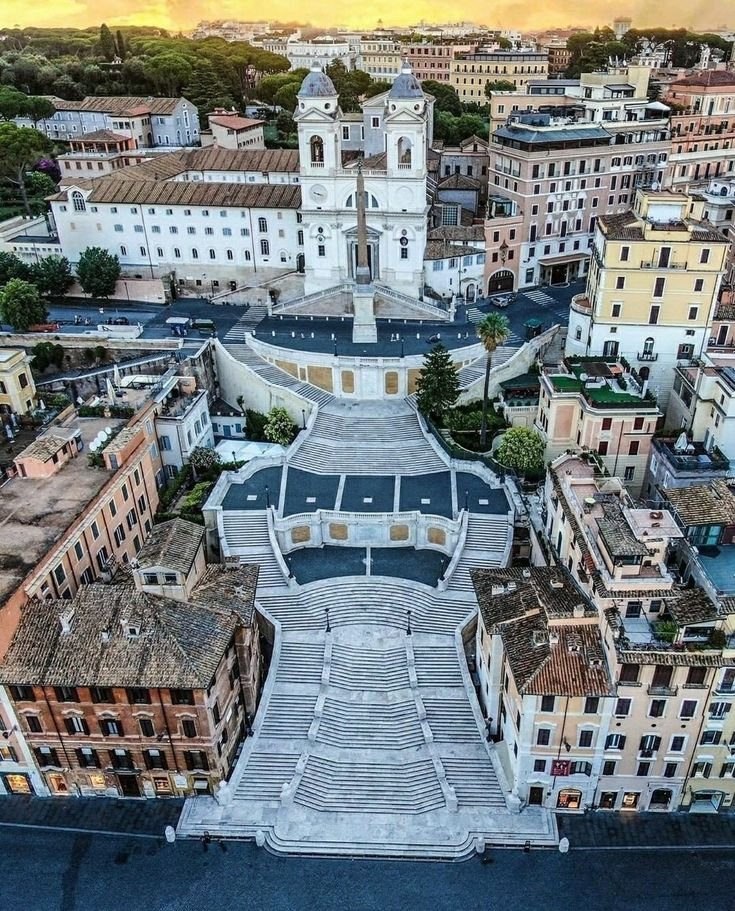
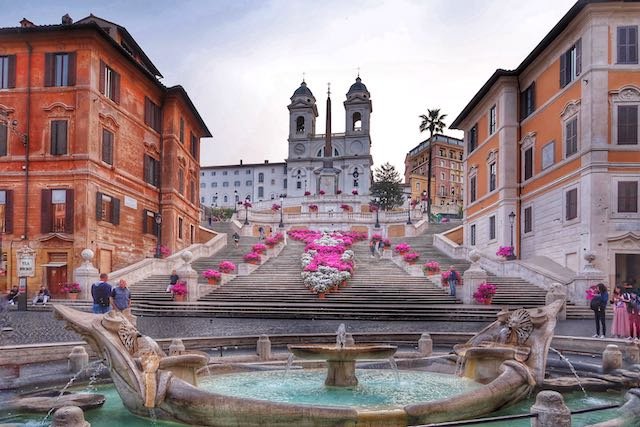
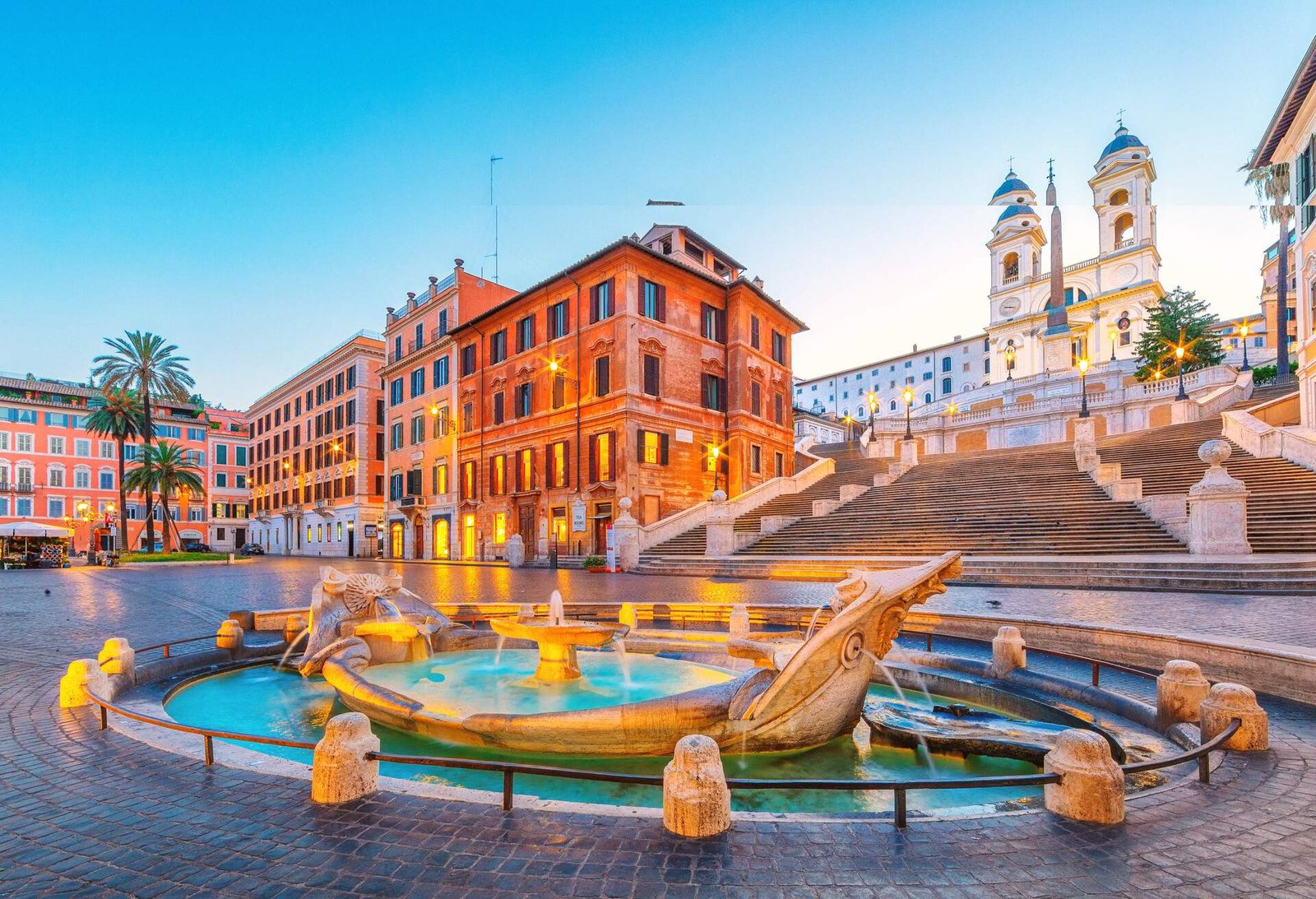
The Spanish Steps, or Scalinata di Trinità dei Monti, are among Rome’s most beloved landmarks. Connecting the Piazza di Spagna at the bottom to the church of Trinità dei Monti at the top, these 135 steps are famous not only for their elegant design but also as a gathering place and cultural icon. Let’s explore the beauty, history, and highlights of the Spanish Steps and why they are a must-visit in Rome.
A Place of Elegance and Sociability
The Spanish Steps are celebrated for their unique, sweeping design that forms a series of irregular terraces. Built between 1723 and 1725 by Italian architect Francesco de Sanctis, the staircase was funded by a French diplomat, Étienne Gueffier. The idea was to bridge the French-owned church at the top, Trinità dei Monti, with the lively Piazza di Spagna below, creating a monumental, yet graceful link between the two.
Named after the Spanish Embassy, which is located nearby, the steps were intended as a social space where Romans and visitors could relax, chat, and people-watch. Over the years, they’ve become a magnet for artists, poets, and filmmakers, as well as travelers from all over the world.
Highlights of the Spanish Steps
- Fontana della Barcaccia: At the base of the Spanish Steps is the “Fountain of the Old Boat,” designed by Pietro Bernini and his famous son, Gian Lorenzo Bernini. This Baroque fountain, shaped like a half-sunken boat, was inspired by the flooding of the Tiber River, which once left a small boat stranded in the piazza.
- Trinità dei Monti Church: Sitting atop the Spanish Steps, the 16th-century Trinità dei Monti church offers beautiful views over the rooftops of Rome. Inside, visitors can admire artworks, including frescoes by Daniele da Volterra, a pupil of Michelangelo.
- Keats-Shelley Memorial House: Located to the right of the Spanish Steps is the home where English Romantic poet John Keats spent his final days. Now a museum dedicated to Keats and his contemporaries, the memorial house contains letters, books, and artifacts related to the English Romantic movement.
- The View from the Top: Climbing to the top of the Spanish Steps offers one of the best panoramic views in Rome. From here, you can look out over Piazza di Spagna, Via dei Condotti, and even spot the dome of St. Peter’s Basilica in the distance.
- High Fashion on Via dei Condotti: At the foot of the Spanish Steps, Via dei Condotti is Rome’s premier shopping street, lined with luxury boutiques, including Gucci, Prada, and Valentino. Strolling this street is a perfect way to experience the city’s fashionable side.
The Spanish Steps Today: Preservation and Etiquette
The Spanish Steps are not only a historic site but also a place of significant cultural value, so preservation efforts have been put in place to protect them. In 2016, luxury brand Bulgari funded a major restoration, bringing back the steps’ pristine white marble. Today, sitting on the steps is no longer allowed, with fines in place to help maintain their cleanliness and appearance.
Tips for Visiting the Spanish Steps
- Best Time to Visit: Early morning or late evening is the best time to visit the Spanish Steps, as they’re less crowded and the lighting is perfect for photos. The soft glow at sunset adds an extra layer of charm to this historic spot.
- Wear Comfortable Shoes: As the steps are a climb, comfortable shoes are recommended, especially if you plan to explore the surrounding area afterward.
- Visit Nearby Attractions: Besides the Spanish Steps, the Piazza di Spagna and surrounding streets are home to cafes, art galleries, and shops, making it an excellent area to explore after your visit.
- Photography: The steps offer a beautiful backdrop for photos, especially from the base near the Fontana della Barcaccia and from the top near Trinità dei Monti.
- Be Mindful of Etiquette: While the Spanish Steps were traditionally a place to linger and relax, it’s important to respect current guidelines to keep the steps in good condition.
The Cultural Legacy of the Spanish Steps
The Spanish Steps have a longstanding tradition as a place of art, culture, and romance. They’ve appeared in numerous films, from Roman Holiday with Audrey Hepburn and Gregory Peck to The Talented Mr. Ripley. Artists and writers have also flocked to the area, drawn by its beauty and the vibrant, creative atmosphere.
Today, the Spanish Steps remain a meeting point for locals and travelers, capturing the timeless elegance and social spirit of Rome. Their connection between the iconic piazza and the historic church makes them not just a staircase, but a link between different layers of Roman life and history.
Final Thoughts
The Spanish Steps invite you to slow down, soak in the atmosphere, and feel the pulse of Rome. Whether you’re admiring the view from the top, exploring nearby streets, or simply gazing at the historic architecture, a visit to the Spanish Steps offers a true taste of Roman charm and elegance. So next time you’re in Rome, take a moment to experience this legendary landmark and let it become a part of your own Roman adventure.